Living Donor Liver Transplant in India: Complete Patient Guide Liver donation benefits go beyond saving a life. A living donor liver transplant offers patients shorter waiting times, better outcomes, and faster access to treatment. Understanding the liver donation benefits can …
Living Donor Liver Transplant in India: Complete Patient Guide Read More »
Liver Transplant Eligibility: Am I Eligible for a Liver Transplant? Liver transplant eligibility is one of the most important concerns for patients living with advanced liver disease. If you have cirrhosis, liver failure, or liver cancer, understanding liver transplant eligibility …
Am I Eligible for a Liver Transplant? Key Signs You Should Know Read More »
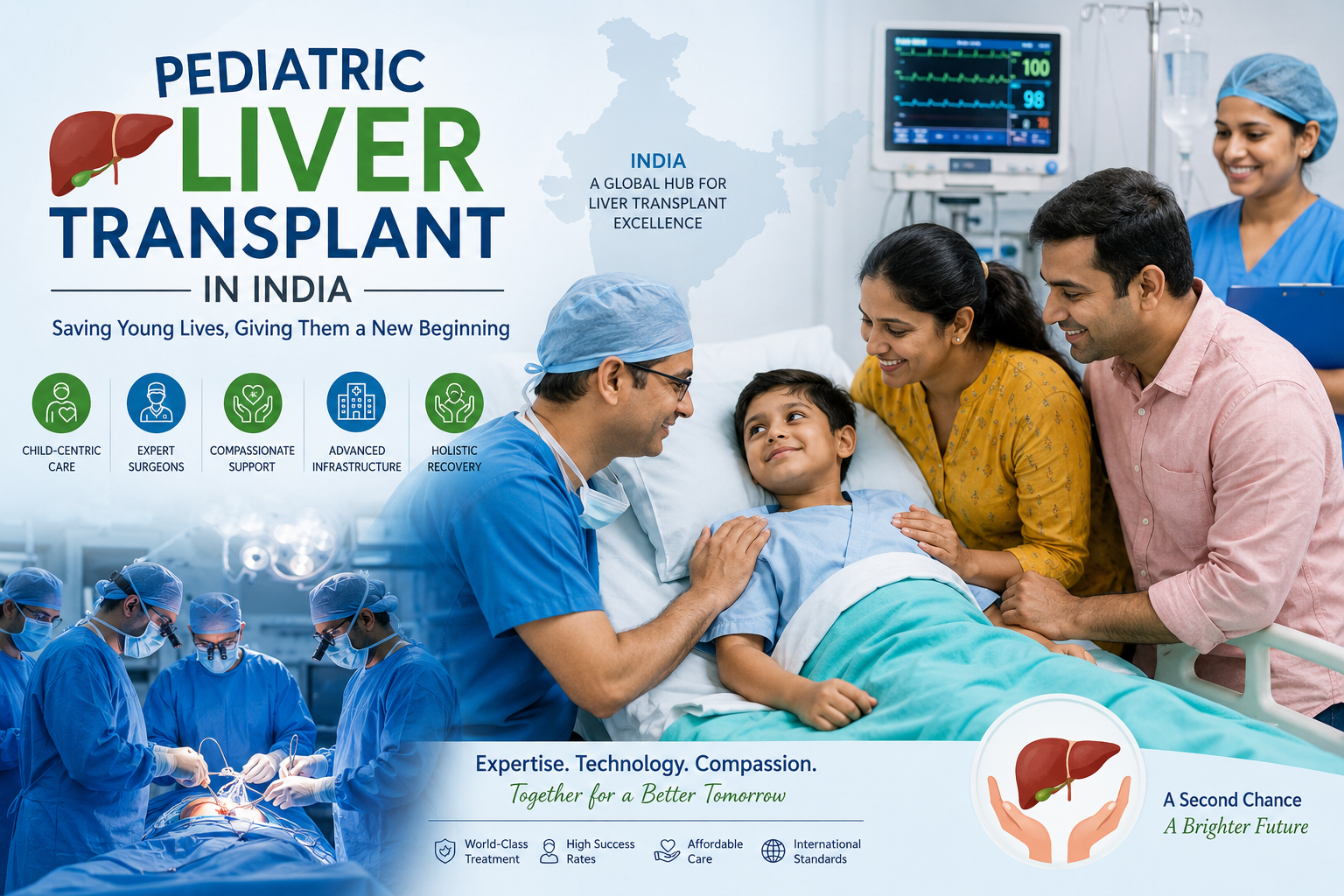
When a child is diagnosed with severe liver disease, it can feel overwhelming for parents and caregivers. Understanding the condition, treatment options, and recovery process is important in making informed decisions. A pediatric liver transplant in India offers hope to …
Pediatric Liver Transplant in India: A Guide for Parents Read More »
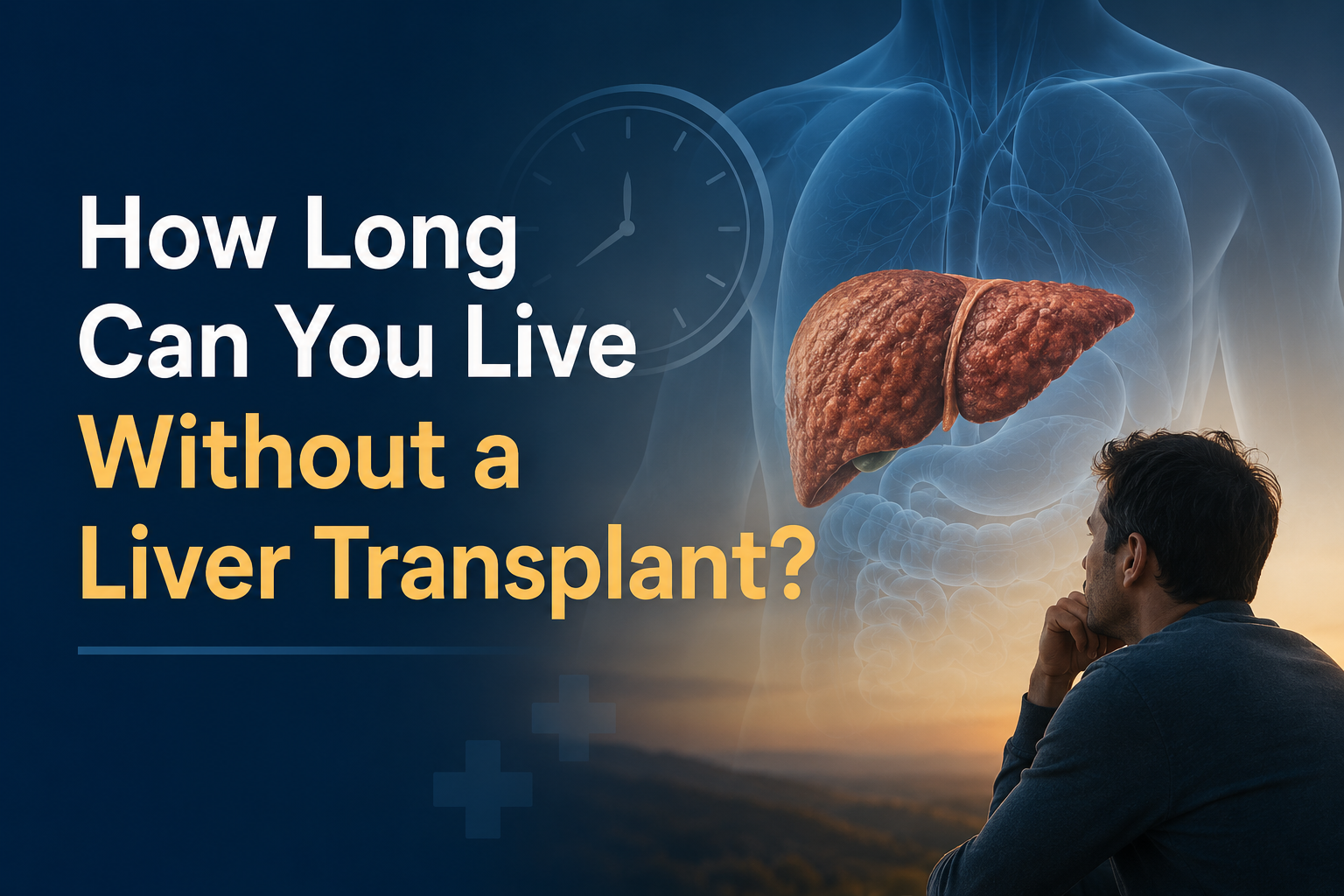
When someone is diagnosed with advanced liver disease, one of the first questions patients and families ask is: How long can you live without a liver transplant? The answer depends on several factors, including the stage of liver damage, the …
How Long Can You Live Without a Liver Transplant? Read More »
For patients with advanced liver disease, a transplant can be life-saving. However, many families are unsure about how the India liver transplant waiting list works and how long the liver transplant waiting time in India may be. This blog explains the transplant waiting list system, how patients are prioritized, and what factors affect waiting time. If you or a loved one has been advised to consider a transplant, understanding the process can help you make informed decisions and reduce uncertainty. What Is a Liver Transplant Waiting List? A liver transplant waiting list is a registry of patients who require a liver transplant and are waiting for a suitable donor organ. In India, organ allocation is regulated by government-authorized bodies to ensure transparency and fairness. These include: National Organ and Tissue Transplant Organization (NOTTO) Regional Organ and Tissue Transplant Organizations (ROTTO) State Organ and Tissue Transplant Organizations (SOTTO) Hospitals performing transplants register patients in these networks once they are evaluated and approved for transplant surgery. The India liver transplant waiting list helps allocate donor organs based on urgency and compatibility. Who Needs to Be on the Liver Transplant Waiting List? Patients are placed on the waiting list when their liver disease reaches a stage where medical treatment alone cannot reverse the damage. Common conditions that may require a liver transplant include: Cirrhosis of the liver Acute liver failure Liver cancer (in selected cases) Hepatitis B or Hepatitis C complications Alcohol-related liver disease Non-alcoholic fatty liver disease (NAFLD) According to the Mayo Clinic and NIH, transplantation is recommended when the risk of liver failure outweighs the risks of surgery. How Patients Are Added to the Waiting List 1. Medical Evaluation Before being added to the India liver transplant waiting list, patients undergo a comprehensive evaluation. This typically includes: Blood tests Imaging scans (CT or MRI) Liver function tests Heart and lung evaluation Psychological assessment Financial counseling The transplant team determines whether the patient is medically fit for surgery. 2. MELD Score Assessment Most transplant centers use the MELD score (Model for End-Stage Liver Disease) to determine disease severity. The MELD score is calculated using: Bilirubin levels INR (blood clotting ability) …
Liver Transplant Waiting List in India: How It Works Read More »
Пересадка печени в Индии считается одним из наиболее эффективных методов лечения тяжелых заболеваний печени. Многие международные пациенты ищут информацию по запросам «Доктор Вивек Виж пересадка печени», «Vivek Vij liver transplant India» и «Лучший хирург по пересадке печени в Индии», чтобы …
Доктор Вивек Виж (Vivek Vij): пересадка печени в Индии и современные методы лечения Read More »
Choosing the right doctor for liver disease or liver transplant is one of the most important decisions a patient and family will ever make. For many patients across Punjab, especially those diagnosed with advanced liver conditions, the search often leads …
Best Liver Transplant Surgeon in Delhi: What Patients in Punjab Should Know Read More »
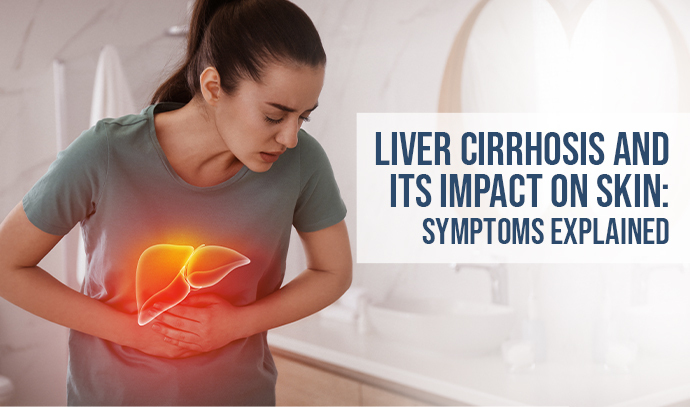
Many people notice changes in their skin long before they realise something is wrong with the liver. Yellowing of the eyes, itching, dark patches, or unexplained marks often raise concern. Patients commonly ask whether these signs are serious and whether …
Liver Cirrhosis and Its Impact on Skin: Symptoms Explained Read More »
A liver transplant can give someone a second chance at life but the journey doesn’t end the moment the surgery is done. In fact, real recovery starts after the operation, when your body begins to accept the new liver and …
Managing Complications After Liver Transplant Surgery: What to Expect Read More »