Am I Eligible for a Liver Transplant? Key Signs You Should Know

Liver Transplant Eligibility: Am I Eligible for a Liver Transplant?

Liver transplant eligibility is one of the most important concerns for patients living with advanced liver disease. If you have cirrhosis, liver failure, or liver cancer, understanding liver transplant eligibility can help you seek timely treatment and improve your long-term health outcomes. For many patients and caregivers, knowing the signs that indicate the need for a liver transplant is the first step toward receiving life-saving care.

In this guide, we’ll explain the symptoms, evaluation process, eligibility criteria, and treatment options available for patients who may require a liver transplant.
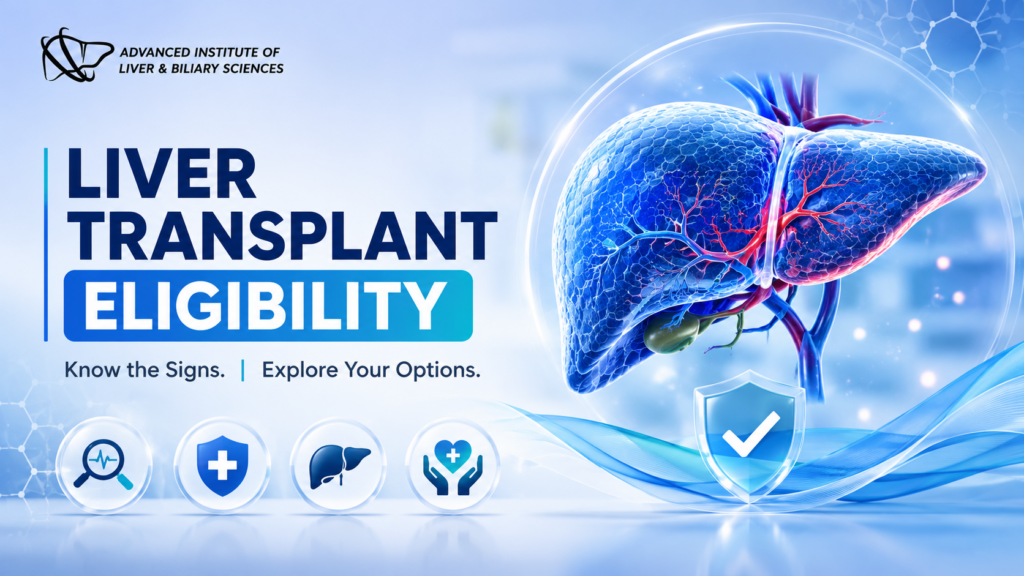
Liver transplant eligibility guide showing advanced liver care and transplant evaluation at AILBS
Learn the key signs, evaluation criteria, and treatment options that help determine liver transplant eligibility.

What Is a Liver Transplant and Who Meets Liver Transplant Eligibility?

A liver transplant is a surgical procedure in which a diseased liver is replaced with a healthy liver from a donor. It is considered the most effective treatment for patients with end-stage liver disease or acute liver failure when other treatment options are no longer sufficient.

Modern liver transplant programs have significantly improved survival rates, allowing many patients to return to normal, healthy lives.

When do you meet liver transplant eligibility?

A liver transplant becomes necessary when the liver can no longer perform its vital functions, including:

  • Filtering toxins from the blood
  • Producing proteins needed for blood clotting
  • Processing nutrients and medications
  • Producing bile for digestion

When liver damage becomes irreversible, transplantation may be the best treatment option.

Common Causes of Liver Failure

Cirrhosis

Cirrhosis is severe scarring of the liver caused by long-term damage.

Common causes include:

  • Hepatitis B
  • Hepatitis C
  • Alcohol-related liver disease
  • Non-Alcoholic Fatty Liver Disease (NAFLD)
  • Autoimmune liver diseases

Liver Cancer

Certain patients with liver cancer may qualify for a liver transplant if the cancer is confined to the liver.

Acute Liver Failure

A sudden loss of liver function caused by:

  • Viral infections
  • Drug toxicity
  • Certain medications
  • Poisoning

Key Signs That Affect Liver Transplant Eligibility

If you are wondering whether you are eligible for a liver transplant, these symptoms may indicate advanced liver disease.

Persistent Jaundice

Jaundice causes yellowing of the skin and eyes due to a buildup of bilirubin.

Signs include:

  • Yellow eyes
  • Yellow skin
  • Dark urine
  • Pale stools

Fluid Build-Up in the Abdomen (Ascites)

Patients may experience:

  • Abdominal swelling
  • Rapid weight gain
  • Breathing difficulty due to pressure

Ascites often indicates advanced cirrhosis.

Frequent Hospital Admissions

Repeated hospitalizations for complications such as:

  • Liver infections
  • Internal bleeding
  • Severe fluid retention

may suggest worsening liver function.

Hepatic Encephalopathy

This condition occurs when toxins affect brain function.

Symptoms include:

  • Memory problems
  • Confusion
  • Personality changes
  • Difficulty concentrating

Severe Fatigue

Many patients report:

  • Extreme tiredness
  • Reduced physical activity
  • Difficulty performing routine tasks

Gastrointestinal Bleeding

Advanced liver disease can lead to enlarged veins in the food pipe (esophageal varices), which may rupture and bleed.

Symptoms include:

  • Vomiting blood
  • Black stools
  • Dizziness

Poor Liver Function Test Results

Your doctor may recommend transplant evaluation if blood tests show significant liver dysfunction.

How Is Liver Transplant Eligibility Determined?

Not everyone with liver disease requires immediate transplantation.

A transplant team conducts a detailed evaluation that typically includes:

Medical Assessment

Doctors review:

  • Medical history
  • Liver disease severity
  • Previous treatments
  • Overall health condition

Blood Tests

These help evaluate:

  • Liver function
  • Kidney function
  • Blood clotting ability
  • Infection status

Imaging Studies

Tests may include:

  • Ultrasound
  • CT Scan
  • MRI

MELD Score and Liver Transplant Eligibility

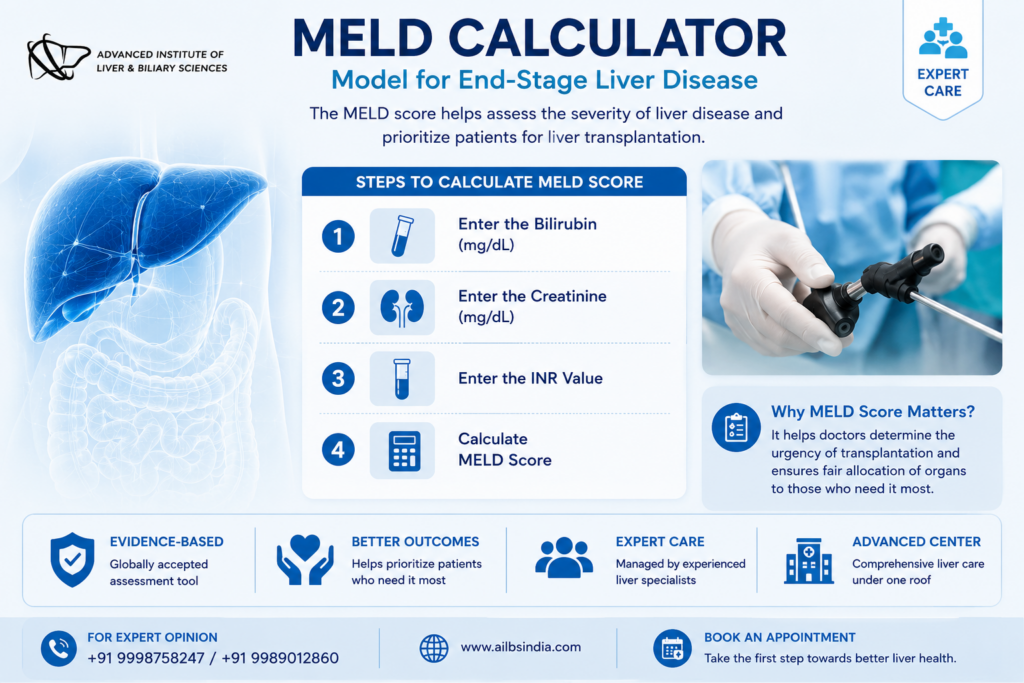
MELD score calculator infographic explaining liver transplant eligibility and liver disease severity assessment
The MELD score helps doctors assess the severity of liver disease and prioritize patients for liver transplantation.

The Model for End-Stage Liver Disease (MELD) score helps determine how urgently a patient requires transplantation.

A higher MELD score usually indicates more severe liver disease.

Psychological and Social Assessment

The transplant team evaluates whether patients can:

  • Follow medications properly
  • Attend follow-up appointments
  • Maintain long-term post-transplant care

Who May Not Be Eligible for a Liver Transplant?

Certain conditions may temporarily or permanently affect eligibility.

Examples include:

  • Active uncontrolled infections
  • Advanced cancer outside the liver
  • Severe heart or lung disease
  • Active substance abuse
  • Inability to comply with treatment recommendations

Each case is assessed individually.

What Treatment Options Are Available Before a Liver Transplant?

For some patients, symptoms can be managed while awaiting transplantation.

Medications

Doctors may prescribe medications to:

  • Control fluid retention
  • Reduce complications
  • Prevent infections

Endoscopic Procedures

These procedures help manage bleeding caused by enlarged veins.

Lifestyle Modifications

Patients are often advised to:

  • Avoid alcohol completely
  • Follow a low-salt diet
  • Maintain healthy body weight
  • Stay physically active as tolerated

However, these treatments cannot reverse severe liver damage.

Liver Transplant Expertise at AILBS, Delhi NCR

At AILBS (Advanced Institute of Liver and Biliary Sciences), patients receive comprehensive liver care, from diagnosis to transplantation and long-term follow-up.

Why Patients Choose Dr. Vivek Vij

Dr. Vivek Vij is one of India’s most experienced liver transplant surgeons with over 20 years of expertise in liver transplantation and hepatobiliary surgery.

His team specializes in:

  • Adult liver transplantation
  • Pediatric liver transplantation
  • Living donor liver transplantation
  • Complex liver surgeries
  • Advanced liver disease management

AILBS offers multidisciplinary care with personalized treatment plans for domestic and international patients.
Home Care Tips for Patients with Advanced Liver Disease

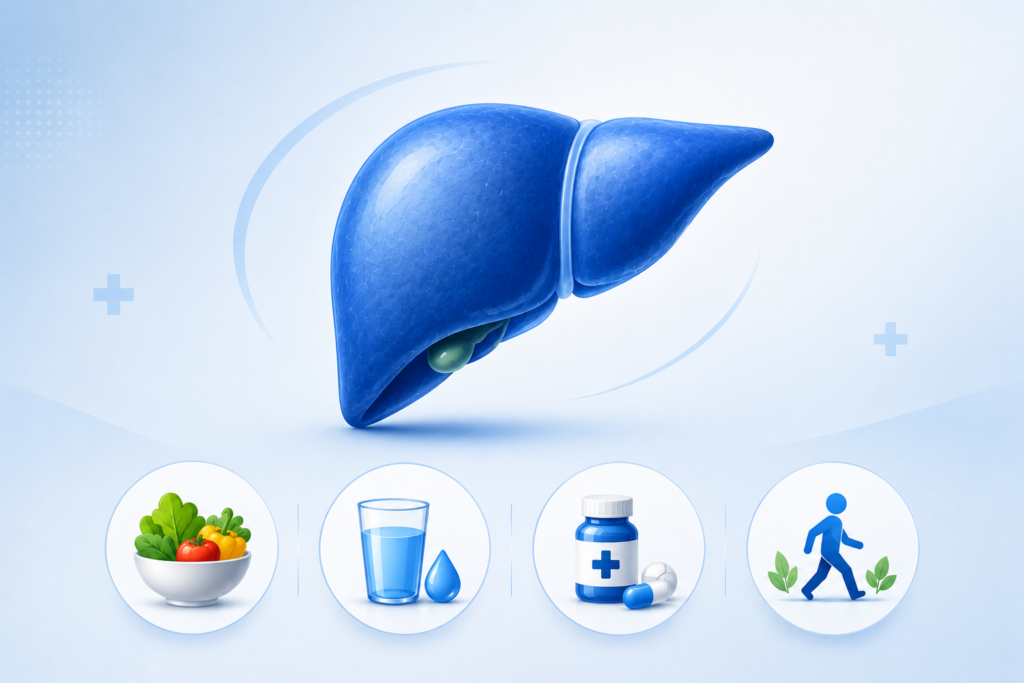
Home care tips for patients with advanced liver disease including healthy diet, hydration, medicines, and physical activity
Simple daily habits can help support liver health and improve quality of life for patients with advanced liver disease

While awaiting specialist evaluation:

Follow a Liver-Friendly Diet

Focus on:

  • Fresh fruits and vegetables
  • Lean proteins
  • Limited processed foods

Reduce Salt Intake

Excess salt can worsen fluid retention.

Take Medications Exactly as Prescribed

Never stop or change medications without consulting your doctor.

Monitor Symptoms

Seek medical attention if you notice:

  • Increased abdominal swelling
  • Confusion
  • Vomiting blood
  • Severe weakness

When Should You Consult a Liver Transplant Specialist?

You should consult a liver transplant expert if:

  • You have cirrhosis with complications
  • Your doctor has mentioned liver failure
  • You have recurrent ascites
  • You experience confusion related to liver disease
  • Your MELD score continues to rise
  • Liver cancer has been diagnosed

Early referral often leads to better outcomes and more treatment options.

Please enable JavaScript in your browser to complete this form.
Patient or Contact name
Has a doctor advised liver transplant?

Book An Appointment

Call Us Help Line Book Appt icon Book Appointment doctors icon Google map Chat Chat