When a child is diagnosed with severe liver disease, it can feel overwhelming for parents and caregivers. Understanding the condition, treatment options, and recovery process is important in making informed decisions. A pediatric liver transplant in India offers hope to children with life-threatening liver conditions through advanced surgical care, experienced specialists, and affordable treatment options.
At AILBS India, families from India and across the world receive comprehensive pediatric liver care with a focus on safety, compassion, and long-term outcomes.
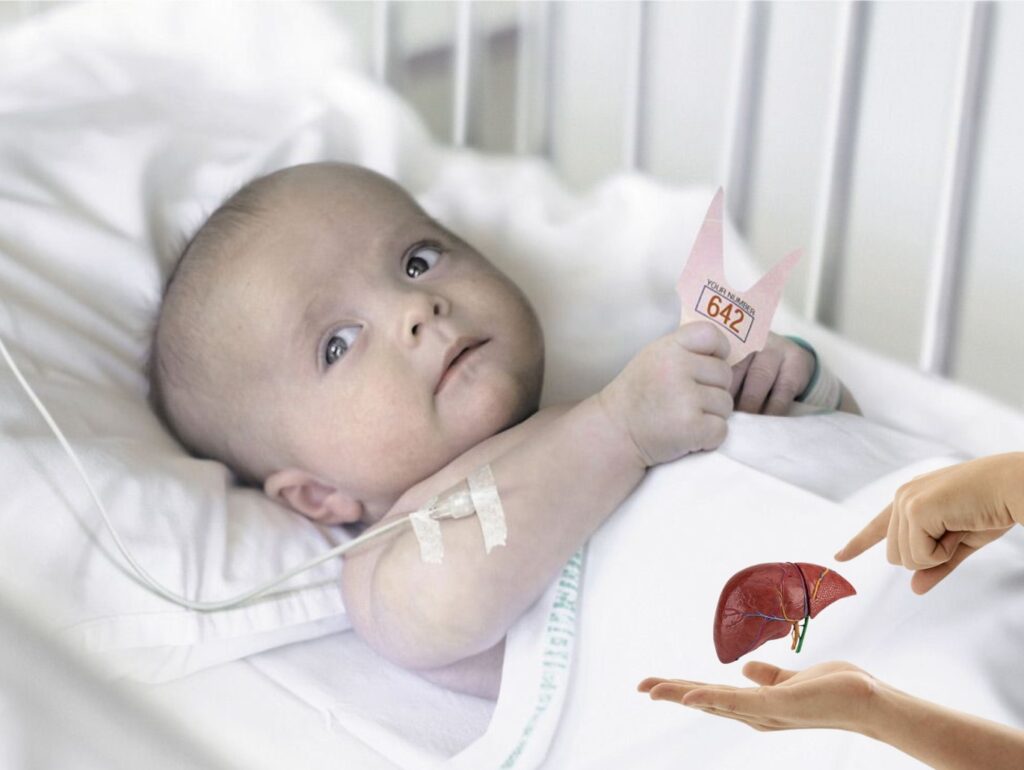
A pediatric liver transplant is a surgery in which a diseased liver in a child is replaced with a healthy liver or a part of a healthy liver from a donor.
Children may need a transplant when the liver stops functioning properly and medicines or other treatments are no longer effective. In many cases, children can receive a portion of the liver from a living donor because the liver has the ability to regenerate.

Several liver diseases can affect children and infants. Some progress slowly, while others can become life-threatening quickly.
This is one of the most common reasons for pediatric liver transplant in children. It occurs when the bile ducts are blocked or absent, causing bile to damage the liver.
A sudden loss of liver function due to infections, toxins, or unknown causes may require urgent transplantation.
Some inherited conditions affect how the body processes nutrients and toxins, leading to liver damage over time.
Conditions present from birth may affect liver function and growth in children.
In some rare cases, liver cancer or tumors may require transplantation.
Early diagnosis can improve outcomes significantly. Parents should consult a specialist if they notice symptoms such as:
Some symptoms may appear gradually, especially in infants and younger children.
Doctors use multiple tests to understand the severity of liver disease and determine whether transplantation is necessary.
At AILBS India, children are evaluated by a multidisciplinary team that includes liver specialists, transplant surgeons, pediatric intensivists, anesthetists, and nutrition experts.
Understanding the transplant journey can help families feel more prepared.
The child undergoes detailed medical testing to assess liver function and overall health.
The transplant may involve:
The diseased liver is removed and replaced with the healthy donor liver segment.
Children are closely monitored in the ICU after surgery. Recovery times vary depending on the child’s condition.
Regular follow-ups, medications, and nutritional support help ensure healthy liver function after transplantation.
| Stage | What Happens |
| Evaluation | Tests and transplant planning |
| Donor Selection | Living or deceased donor matching |
| Surgery | Liver replacement procedure |
| Recovery | ICU care and monitoring |
| Follow-Up | Medicines and long-term care |
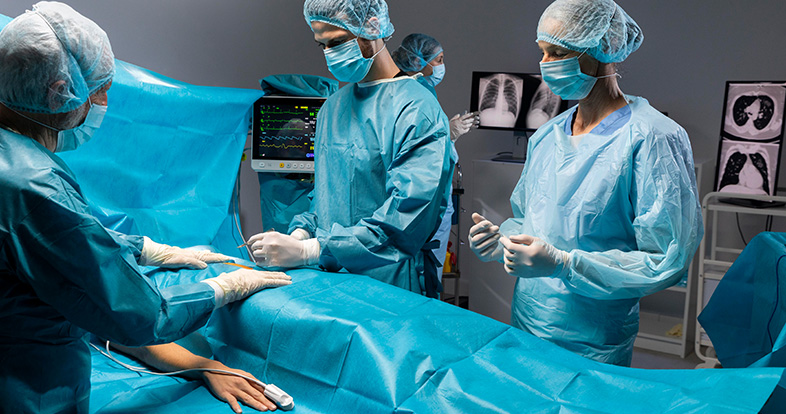
India has become a leading destination for pediatric liver transplant because of experienced surgeons, advanced hospitals, and comparatively affordable treatment costs.
With proper post-operative care and timely intervention, many children go on to live healthy and active lives after transplantation.
According to trusted medical organizations such as the Mayo Clinic and NIH, liver transplantation can significantly improve survival and quality of life in children with severe liver disease.
India has internationally recognized liver transplant surgeons and specialized pediatric ICUs.
Major transplant centers offer modern surgical technology and 24/7 critical care support.
Compared to many Western countries, treatment in India is often more affordable without compromising quality.
Living donor liver transplant programs can help reduce waiting periods.

At AILBS India in Delhi NCR, pediatric liver transplant care focuses on both medical excellence and emotional support for families.

Dr. Vivek Vij is among the leading liver transplant surgeons associated with AILBS and has extensive experience in complex liver transplant procedures, including pediatric cases. His team focuses on advanced surgical techniques and patient-centered care.
Recovery is gradual and requires patience, care, and regular medical follow-up.
Children may also need emotional support during recovery.
Parents should seek immediate medical attention if their child experiences:
Early intervention can improve transplant outcomes and reduce complications.

Yes. With experienced transplant teams and proper post-operative care, pediatric liver transplant is considered a safe and effective treatment for severe liver disease.
Yes. In many cases, a healthy parent or relative can donate a portion of the liver.
Initial recovery may take several weeks, while complete recovery and adjustment may take a few months.
Success rates are generally high in experienced centers, especially when transplantation is done at the right time.
Yes. Children need lifelong medicines called immunosuppressants to help prevent organ rejection.
A diagnosis of severe liver disease in a child can be emotionally challenging for any family. However, advances in pediatric liver transplant in India have made treatment safer, more accessible, and more successful than ever before.
With expert medical teams, advanced surgical care, and compassionate support, many children can return to healthy and active lives after transplant.
Contact AILBS India to speak with a liver transplant specialist today.
24×7 Liver Helpline: +91 9999722221