When someone is diagnosed with advanced liver disease, one of the first questions patients and families ask is: How long can you live without a liver transplant? The answer depends on several factors, including the stage of liver damage, the underlying cause, overall health, and how quickly treatment begins.
For some patients, medicines and lifestyle changes can help manage the condition for years. For others with end-stage liver disease or acute liver failure, a liver transplant may become the only life-saving option. Understanding the warning signs early can help patients receive timely treatment and improve outcomes.
At AILBS – Advanced Institute of Liver & Biliary Sciences in Delhi, patients from India and abroad receive advanced liver care from experienced specialists led by Dr. Vivek Vij, one of India’s leading liver transplant surgeons with extensive experience in complex liver surgeries and transplants.
The liver is one of the body’s most important organs. It helps:
When the liver becomes severely damaged, these functions begin to fail, affecting the entire body.
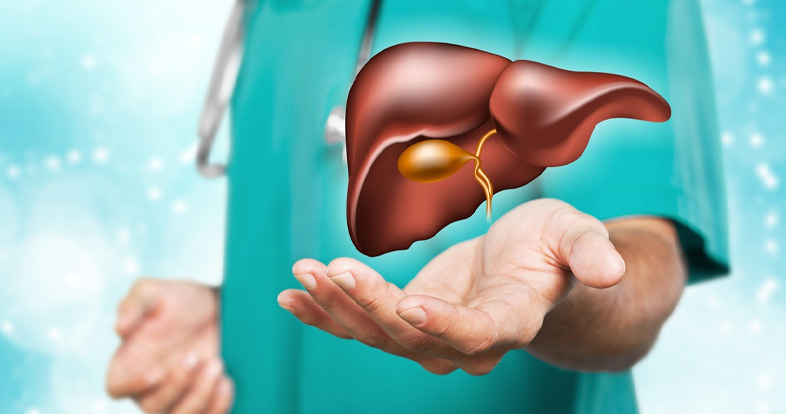
Some people with chronic liver disease can live for many years with proper treatment and monitoring. However, once the liver reaches end-stage liver disease, survival without a transplant may become limited.
The timeline varies greatly depending on:
| Condition | Possible Outlook Without Transplant |
| Early liver cirrhosis | Many years with treatment |
| Decompensated cirrhosis | Months to a few years |
| Acute liver failure | Days to weeks without urgent care |
| Liver cancer with cirrhosis | Depends on stage and treatment |
Liver disease often progresses silently in the early stages. Symptoms may appear only after significant damage has occurred.
If these symptoms are ignored, liver failure can worsen rapidly.
Several conditions can eventually lead to liver failure and the need for a transplant.
Viral infections that slowly damage the liver over time.
Long-term alcohol use can cause inflammation and cirrhosis.
Especially common in people with obesity, diabetes, or high cholesterol.
The immune system attacks liver cells by mistake.
Some patients with liver tumors may require transplantation.
Inherited conditions like Wilson’s disease or hemochromatosis can damage the liver.
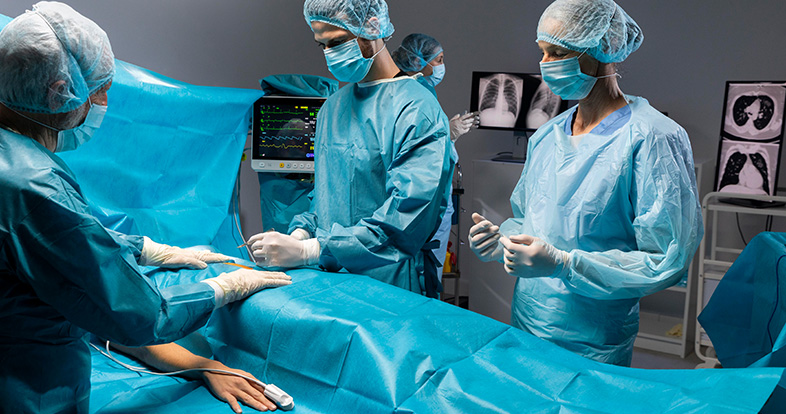
Not every patient with liver disease requires a transplant immediately. Doctors assess liver function carefully before recommending surgery.
The MELD score helps estimate how severe liver disease is and how urgently a transplant may be needed.
MELD = 3.78\ln(\text{bilirubin}) + 11.2\ln(\text{INR}) + 9.57\ln(\text{creatinine}) + 6.43
Higher MELD scores usually indicate more severe liver dysfunction.
Many patients can stabilize their condition with the right treatment plan.
Doctors may prescribe medicines to:
Patients are often advised to:
Routine follow-ups help detect worsening liver function early.
At AILBS India, patients receive comprehensive liver evaluations, transplant counseling, and long-term post-treatment support.
A liver transplant may become necessary when the liver can no longer perform essential functions despite medical treatment.
Early referral to a liver transplant center improves outcomes significantly.

Liver transplantation has become highly successful in experienced centers.
According to the CDC and major transplant registries:
At AILBS Delhi, advanced surgical techniques and multidisciplinary liver care help support positive patient outcomes for both Indian and international patients.
While waiting for treatment or evaluation, patients should focus on protecting remaining liver function.
You should seek medical attention immediately if you experience:
Early intervention can sometimes delay or even prevent complications.
Patients looking for advanced liver treatment and transplant evaluation in India can consult specialists at AILBS Delhi.
Some patients can survive for a period with medicines and supportive treatment, but severe liver failure may eventually require transplantation.
Doctors evaluate symptoms, liver function tests, imaging scans, and MELD scores to determine transplant need.
Many patients live long and healthy lives after a successful transplant with proper follow-up care.
Early-stage fatty liver disease may improve with lifestyle changes, but advanced cirrhosis usually cannot be fully reversed.
India has several advanced liver transplant centers with experienced surgeons and modern technology, including AILBS Delhi.
Living without a liver transplant depends on the severity of liver disease and how early treatment begins. While some patients can manage symptoms for years, others with advanced liver failure may require urgent transplantation to survive.
The most important step is early diagnosis and specialist evaluation. Timely care can improve both survival and quality of life.
If you or a loved one has advanced liver disease, cirrhosis, or liver failure, consult the specialists at AILBS India today.
For appointments and liver transplant consultations, visit the website or contact the liver care team for guidance.