Being told that a liver transplant may be needed often brings fear and self-doubt. Many patients worry whether alcohol related damage automatically disqualifies them. Families also worry about recovery time, donor availability, and the cost of liver transplant surgery in india. These questions usually come before anyone even understands whether transplant is truly required.
Here is the clear medical answer. Liver Transplant in Alcoholic Liver Disease is possible and effective when the disease is advanced and the patient has clearly stopped alcohol, with proper medical and psychosocial evaluation. The goal is not to judge the past. The goal is to protect the new liver and ensure long-term survival.
This guide reflects how patients are counselled at AILBS India, where Dr Vivek Vij and the transplant team focus on clarity and safety. With 20+ years of experience, 4,000+ liver transplants, a 97% success rate, and a 100% donor success rate, decisions are based on evidence, not assumptions.
Alcohol related liver disease develops gradually, but transplant is considered only when recovery without surgery is no longer realistic.
Doctors look for the following progression signs:
Doctors become concerned when patients develop:
These signs indicate reduced liver reserve and higher risk without transplant.
Yes, it can, but only in carefully selected situations. Liver transplantation for alcoholic hepatitis may be considered when:
This decision is never routine and is reviewed by a multidisciplinary transplant committee.
Transplant guidelines focus on safety, survival benefit, and long-term outcomes. Doctors evaluate eligibility using:
Abstinence protects the transplanted liver from repeat injury. Abstinence also improves recovery, medication adherence, and long-term survival. This is why abstinence is considered a medical requirement, not a moral judgement.
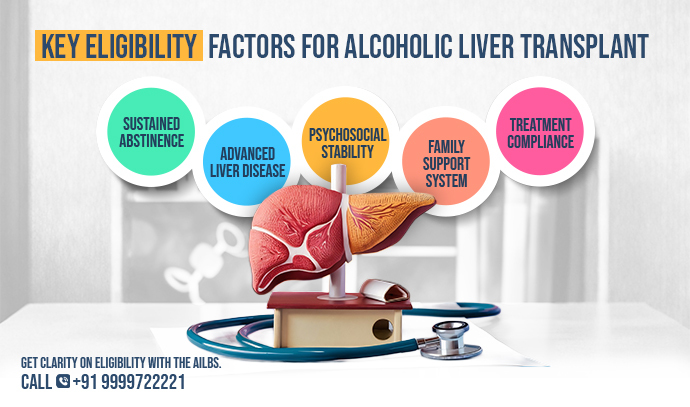
Eligibility is decided using present health status and future risk assessment. Patients are assessed for:
Relapse risk is evaluated through:
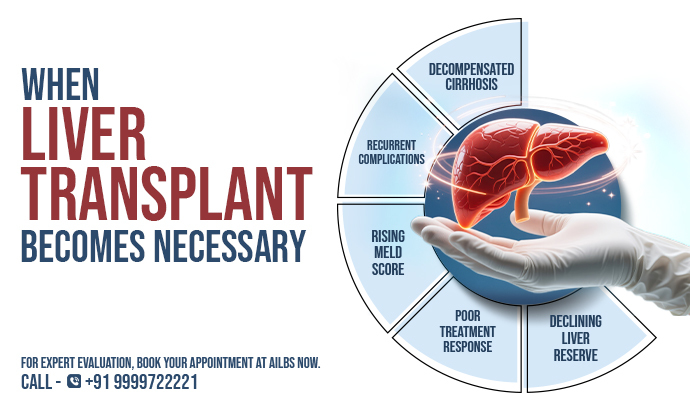
Timing is critical, because both early and late decisions can affect outcomes. Doctors rely on:
The MELD score estimates short-term mortality risk. Rising scores suggest increasing urgency for transplant.
The Child Pugh score reflects complications such as ascites and encephalopathy. It helps doctors judge stability and recovery expectations.
The liver transplant surgery follows a structured and predictable pathway.
Key surgical steps include:
Patients are monitored in intensive care initially and moved to the transplant ward once stable.
Recovery after liver transplant is gradual and milestone-based, not rushed. The recovery plan focuses on:
Most patients stay for about 7 to 10 days, depending on infections, nutrition, and strength.
Doctors monitor:
Long-term success after liver transplant depends on protecting the new liver consistently. Patients are advised to:
Most patients return to daily activities gradually, with guidance from the care team.
Every liver transplant carries risk, but early detection reduces impact. Common risks include:
With consistent follow-up and abstinence, many patients regain independence, energy, and stable quality of life.
The cost of liver transplant surgery in India varies based on several factors.
Cost is influenced by:
The liver transplant surgery cost in India is explained clearly after evaluation so families understand inclusions and possible variations. While families compare the overall liver transplant cost in India, outcomes and donor safety should remain the priority.
When choosing the best liver transplant surgeon in India, experience, donor safety protocols, and long-term follow-up matter more than pricing alone.
Liver transplant in alcoholic liver disease is not just a single surgery. It is a long-term care journey.
At AILBS India, transplant surgeons, hepatologists, psychologists, and rehabilitation specialists work together. This team-based approach improves decision accuracy and long-term recovery.
With a 100% donor success rate, AILBS focuses on safe selection and structured recovery. While the liver transplant cost in India matters, medical urgency and survival benefit must guide decisions.
If you want clarity on eligibility, timing, and recovery, book an appointment with the AILBS liver team, led by Dr. Vivek Vij. Call +91 9999722221.
Is liver transplant possible in alcoholic liver disease?
Yes. It is possible when liver disease is advanced and abstinence is established with proper evaluation.
Is transplant possible for alcoholic hepatitis?
In selected severe cases, liver transplantation for alcoholic hepatitis may be considered after multidisciplinary assessment.
How long does recovery take after transplant?
Most patients regain functional independence within a few months with structured follow-up.
Is lifelong abstinence required after transplant?
Yes. Lifelong abstinence is essential to protect the transplanted liver.
Can patients return to normal life after transplant?
Many patients return to active daily life with regular monitoring and healthy habits.