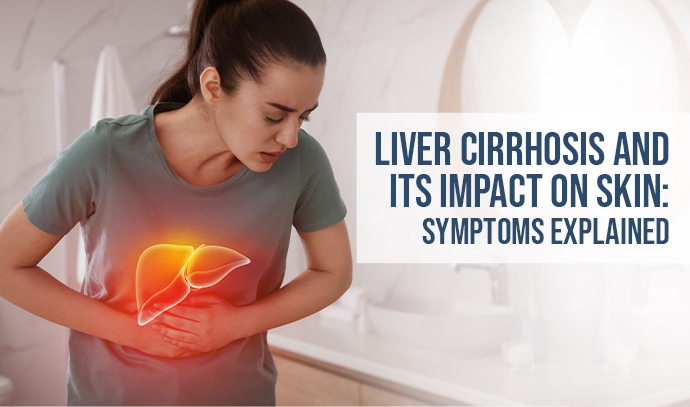
Many people notice changes in their skin long before they realise something is wrong with the liver. Yellowing of the eyes, itching, dark patches, or unexplained marks often raise concern. Patients commonly ask whether these signs are serious and whether they indicate permanent liver damage.
Here is the clear medical explanation. Skin changes in cirrhosis occur because the damaged liver cannot properly process toxins, hormones, and bile pigments. These substances then affect the skin, blood vessels, and pigmentation. While skin signs alone do not confirm severity, they often reflect how advanced liver cirrhosis has become.
This guide reflects how skin related symptoms are explained to patients at AILBS India. With 20+ years of experience, 4,000+ liver transplants, a 97% success rate, and a 100% donor success rate, AILBS focuses on identifying early warning signs and guiding patients toward timely liver cirrhosis treatment.
Liver cirrhosis affects the skin because the liver plays a central role in detoxification, hormone balance, and bile metabolism.
As cirrhosis progresses, blood flow through the liver is disrupted and waste products build up in the bloodstream.
This leads to visible skin changes such as:
These features together explain why liver cirrhosis on skin often appears as a combination of colour, texture, and vascular changes.
Skin changes in cirrhosis vary by stage and underlying cause, but some signs are seen frequently.
Yellow discolouration, also called jaundice, occurs due to bilirubin buildup. It often indicates worsening liver function and impaired bile flow.
Severe itching can occur even without a visible rash. This happens due to bile salts depositing under the skin and is a common liver cirrhosis symptom.
Small red spider-shaped vessels may appear on the face, chest, or arms. These are linked to hormonal imbalance and reduced liver clearance.
Uneven pigmentation, especially on the face or folds, is another sign of advanced disease.
Reduced clotting factors and fragile blood vessels make bruising common, even after minor injury.
These findings together represent typical skin changes in cirrhosis and should prompt liver evaluation.
Skin symptoms often worsen as cirrhosis moves from compensated to decompensated stages.
Doctors become more concerned when skin changes are combined with:
At this stage, liver cirrhosis symptoms reflect reduced liver reserve rather than cosmetic issues alone.
Some skin symptoms improve when the underlying liver condition is stabilised or treated.
In the early stages, treating the cause of cirrhosis and managing bile flow may reduce itching and pigmentation.
In advanced cirrhosis, skin signs often persist until liver function improves significantly. This is why timely liver cirrhosis treatment is important.
Liver cirrhosis treatment depends on the cause, stage, and complications present.
Doctors focus on:
When cirrhosis becomes advanced and complications increase, transplant evaluation may be required.
Skin changes alone do not decide transplant timing, but they contribute to the overall assessment.
Transplant is considered when cirrhosis leads to:
At this stage, discussions around cost of liver transplant in India and suitability begin as part of structured counselling.
Costs vary depending on disease stage and required care.
Families should seek transparent counselling before making decisions.
Outcomes depend on experience, not just facilities.
When looking for the best hospital for liver cirrhosis in India or the best doctor for liver cirrhosis in India, patients should focus on:
At AILBS, care is coordinated across hepatology, surgery, nutrition, and transplant teams to ensure continuity.
Skin changes are often the body’s early signal that liver cirrhosis is progressing. While some signs may appear mild, they frequently reflect deeper liver dysfunction. Understanding liver cirrhosis on skin helps patients seek timely care and avoid complications. With structured liver cirrhosis treatment, careful monitoring, and transplant planning when needed, outcomes can be significantly improved.
If you are noticing skin changes and want clarity on liver health, book an evaluation with the AILBS liver team. Call +91 9999722221
Can skin symptoms be the first sign of liver cirrhosis?
Yes. Itching, pigmentation, or jaundice may appear before other symptoms.
Do all cirrhosis patients develop skin changes?
Not always, but many develop them as disease progresses.
Can skin changes reverse after treatment?
Some improve with treatment, while others persist in advanced disease.
Is itching in cirrhosis dangerous?
It indicates bile buildup and should be medically evaluated.
Does liver transplant improve skin symptoms?
Yes. Many skin symptoms improve once liver function is restored.